

Buying an Older Home in Woy Woy? The Electrical Checks Worth Doing First
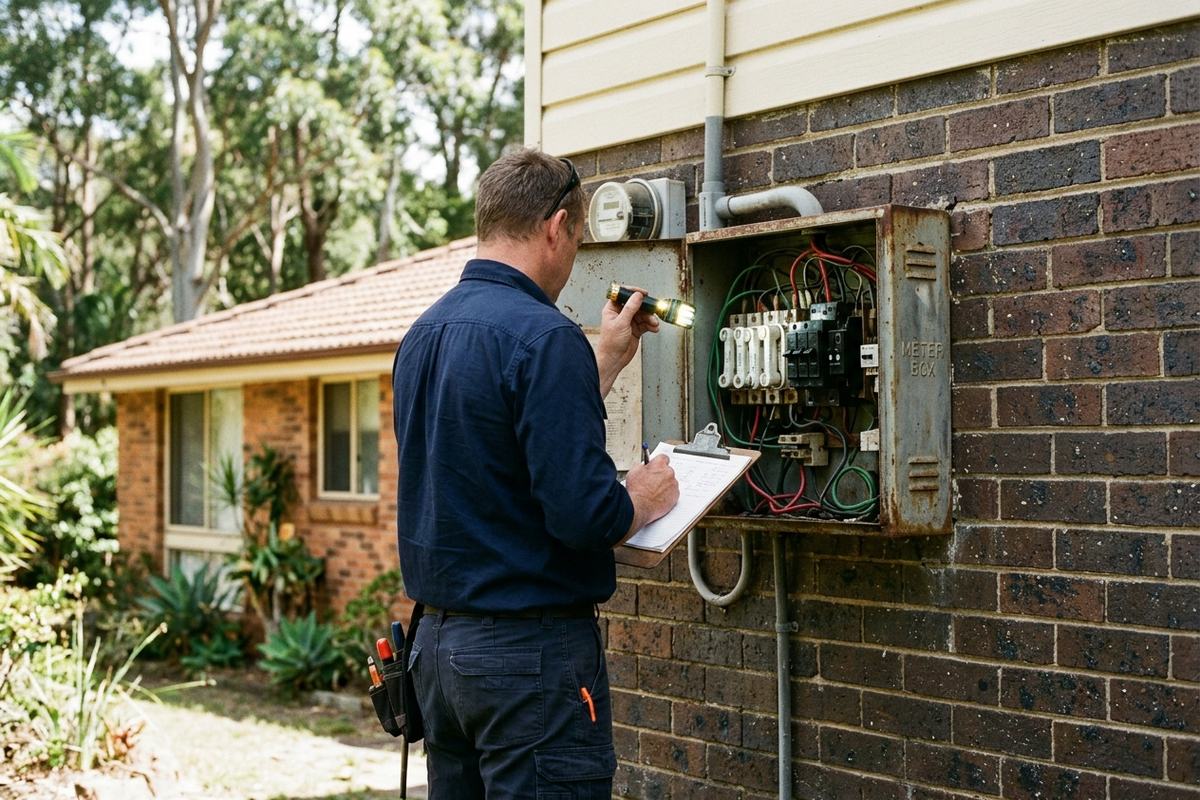
The Woy Woy peninsula has a lot of character homes, older cottages, post-war brick houses and beach shacks that have been added to over the decades. They have charm and, often, a good position, but behind the walls the electrical system can be a different story. For anyone buying an older home in the area, a few electrical checks before signing can be the difference between a happy purchase and an expensive surprise.
Why older homes deserve a closer look
Electrical standards have changed enormously over the years, and a home wired decades ago may never have been brought up to date. Add the coastal environment, salt air that corrodes fittings and connections faster than inland, and the patchwork of DIY additions that older homes tend to accumulate, and there's plenty that a standard building inspection won't fully cover. A targeted electrical check fills that gap.
The switchboard tells a story
The switchboard is the first place an electrician looks, because it reveals a lot about the whole installation. Old ceramic fuses instead of circuit breakers, no safety switches (RCDs), a board that's crowded, scorched or visibly aged, and signs of amateur additions all point to work that may be needed. Bringing an older board up to standard, with proper circuit protection and safety switches, is a common and worthwhile upgrade, and knowing it's coming helps with budgeting before you buy.
What's behind the walls
Wiring has a service life, and very old cabling can become brittle, degrade or fall short of current standards. Original rubber-insulated wiring, cloth-covered cable or aluminium wiring from certain eras are all worth identifying, because they can present safety concerns and may need replacing. An electrician can't see inside every wall, but checking accessible points, the roof space, subfloor, switchboard and a sample of outlets, gives a strong sense of the wiring's age and condition.
Safety switches, smoke alarms and outdoor areas
A pre-purchase check should confirm whether the home has adequate RCD protection and compliant, working smoke alarms, since both are safety essentials and both are common shortfalls in older homes. Outdoor and wet areas deserve attention too: on the peninsula, corroded outdoor points, dodgy additions to sheds and garages, and poorly protected pool or spa wiring turn up regularly and can be costly to put right.
Renovation potential and capacity
Many people buy an older home with plans to renovate, add air conditioning, install solar, or fit an EV charger down the track. Whether the existing supply and switchboard can handle those plans is worth knowing up front, because an upgrade to the main supply or board can be a meaningful cost. Understanding the home's electrical capacity before you buy means the renovation budget reflects reality rather than a hopeful guess.
Turning the report into a decision
The point of a pre-purchase electrical check isn't necessarily to walk away, plenty of older homes are well worth buying. It's to go in with eyes open. A clear picture of what's safe, what needs attention now and what can wait lets a buyer factor the cost into their offer and plan the work sensibly rather than being blindsided after settlement. For a modest outlay before purchase, it's one of the more sensible things a buyer can do on the peninsula.
The coastal angle buyers often miss
Salt air is the factor that catches out buyers moving to the peninsula from inland. Over the years it corrodes outdoor power points, light fittings, the metal parts of switchboards and the connections in sheds and pool equipment, often well before anything obvious shows on the surface. An older waterfront or near-water home can look fine at a glance while carrying corroded connections an electrician would flag as needing attention. Factoring the coastal environment into a pre-purchase check, and into the maintenance budget afterwards, is part of buying sensibly in an area like Woy Woy.
Frequently Asked Questions
Doesn't a standard building inspection cover the electrical?
Only partly. General building inspections note obvious issues but usually aren't a detailed electrical assessment. A licensed electrician looks specifically at the switchboard, wiring, safety devices and capacity in a way a building report typically doesn't.
What are the biggest electrical red flags in an older home?
Ceramic fuses instead of circuit breakers, no safety switches, very old or degraded wiring, scorching at the switchboard, and amateur DIY additions are all signs that upgrades may be needed.
Can I do an electrical inspection before I make an offer?
Often yes, with the seller's or agent's permission. Knowing the home's electrical condition before you commit lets you factor any necessary work into your offer and budget.
Is rewiring an old home expensive?
It varies with the size of the home and how much needs doing, some homes need only a switchboard upgrade, others a fuller rewire. An electrician's assessment gives a realistic figure so there are no surprises.
Talk to a Local Central Coast Electrician
Buying an older Woy Woy home? Before you commit, have a local electrician check the wiring, switchboard and safety. A pre-purchase electrical inspection can save you from expensive surprises.