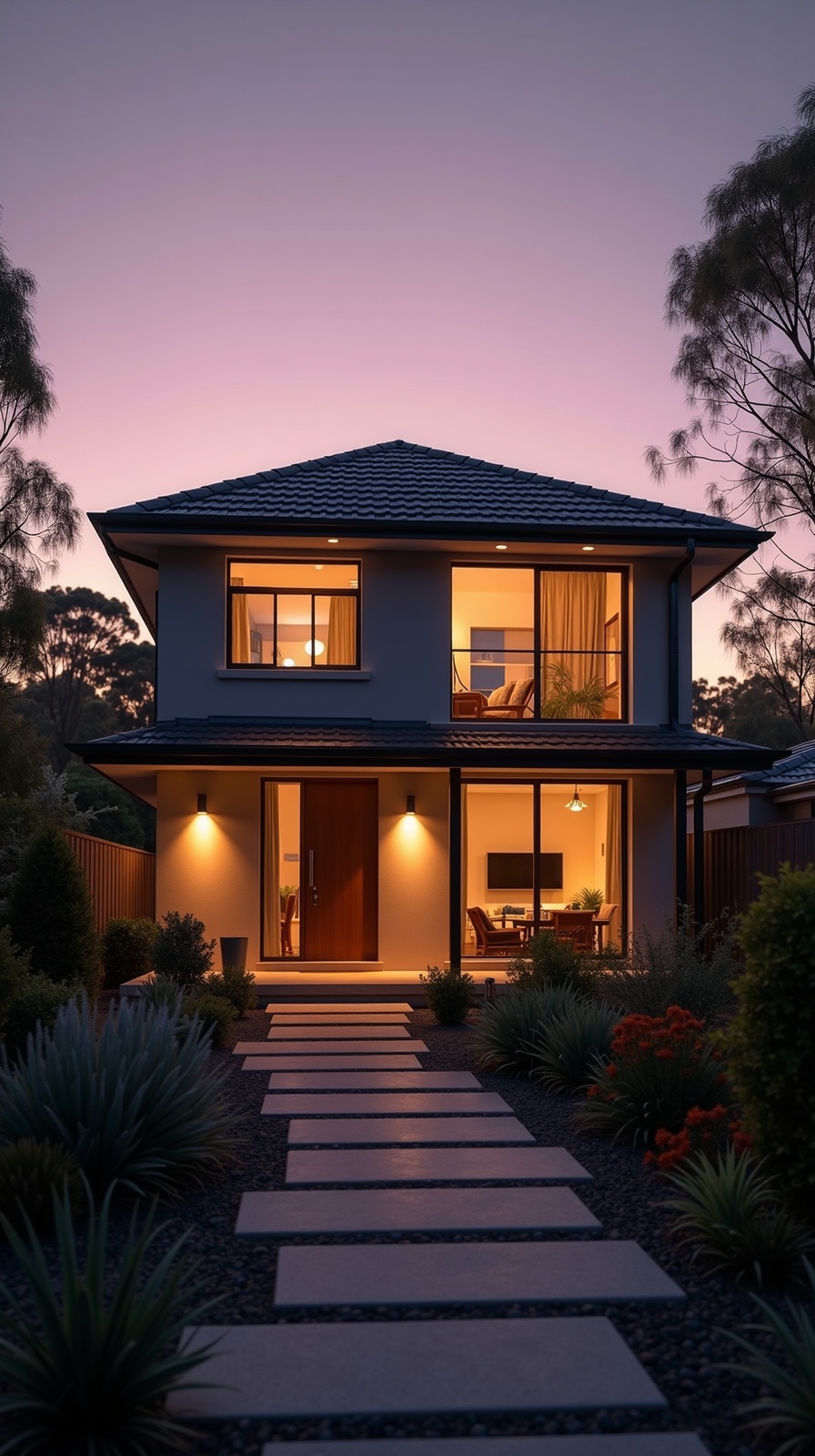

CCTV & Security Cameras in Woy Woy: A Practical Home Security Guide
A good CCTV system does more than record, it deters, it reassures, and if something does happen, it gives you clear footage to act on. For Woy Woy homeowners, whether you're near the water, on a quiet street, or away often, a well-designed system is one of the simpler ways to feel more secure at home. The key word is well-designed: the difference between a system that helps and one that frustrates comes down to planning and installation.
The first decision is wired versus wireless. Wireless cameras are quick to put up and flexible, but they depend on Wi-Fi and battery charging, which can mean dropouts and maintenance. Hardwired CCTV runs on dedicated cabling for both power and data, so it's far more reliable, delivers consistent quality, and doesn't clog your home network. For a permanent, set-and-forget system, hardwired is usually the better long-term choice, and it looks tidier, with no visible cabling when installed properly.
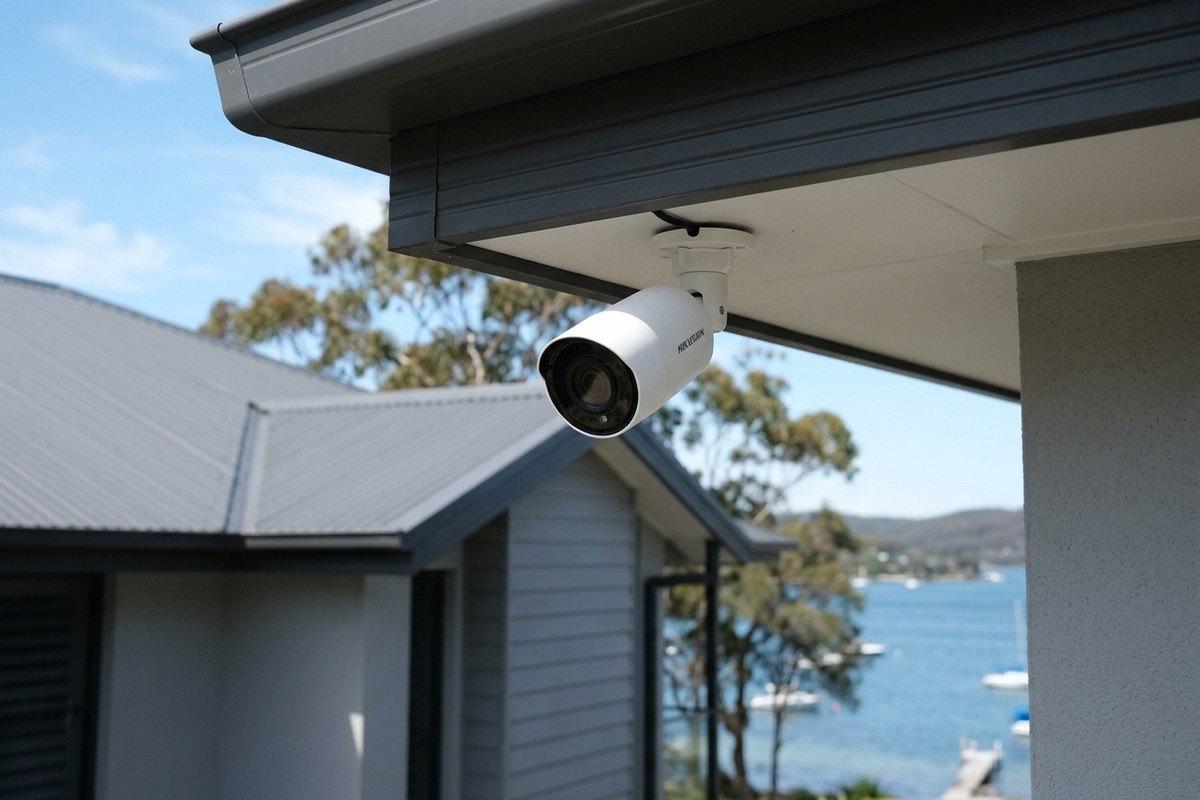
Camera placement is where experience pays off. The aim is to cover entry points, front and back doors, the garage, side access, and ground-floor windows, plus any blind spots around the property. Cameras should be mounted high enough to be out of easy reach but angled to capture faces and detail rather than just the tops of heads. Good positioning also means thinking about backlighting, so a camera isn't staring into the afternoon sun, and about coverage overlap so there are no gaps.
Quality matters in the parts you can't see as much as the camera itself. Look for cameras with strong resolution and good low-light or infrared performance, since plenty of incidents happen after dark. A reliable recorder with enough storage to keep a sensible history, and secure remote viewing so you can check in from your phone, round out a practical system. It's also worth setting it up with proper passwords and secure access, a camera system is only as private as it's configured to be.
For peninsula homes, a couple of local factors are worth noting. Coastal air is hard on hardware, so weather-rated cameras and quality mounting matter for longevity. And if your home is set among trees or has long sightlines to the water, camera choice and placement need to account for shading, glare and distance. A walk around the property is the best way to work out exactly what each spot needs.
It's tempting to grab a cheap kit and put it up yourself, and for a basic setup that can work. But a professional install gives you concealed cabling, cameras placed for genuine coverage rather than convenience, a properly configured recorder, and a system integrated cleanly with your home's power. It also means someone to call if anything needs adjusting, rather than a box of parts and a weekend of frustration.
Integration is a nice bonus. Modern systems can tie in with lighting, alarms and smart-home controls, so motion can trigger a light or send an alert to your phone. You don't need all the bells and whistles, but it's worth knowing what's possible so the system you install today can grow with your needs.
If you're thinking about cameras, the best starting point is a quick assessment of your property, entry points, blind spots, lighting and cabling routes. From there it's straightforward to design a system that actually suits your home and install it neatly, so it does its job quietly for years.
There's a privacy side worth getting right. Home CCTV should be set up to cover your own property, entries, yard and perimeter, rather than pointing into a neighbour's windows or yard or recording the footpath more than necessary. A sensible install keeps the focus where it belongs, which keeps you on the right side of privacy expectations and keeps the footage useful if you ever need it.
Storage and retention are easy to overlook. Think about how many days of footage you want to keep and size the recorder's storage accordingly, a busy entry camera recording on motion needs less than several cameras recording continuously. Quality systems let you balance image quality, frame rate and retention so you keep a useful history without filling the drive in two days.
Like any outdoor hardware on the coast, cameras benefit from the occasional check, a wipe of the lens, confirming each camera is still recording, and a quick test of remote access. A professional system makes this easy, and a good installer will show you how to check it and be there if a camera ever needs realigning or servicing.
One last point: decide what you want the system to do before you buy. Simple deterrence and a record of who comes and goes needs less than active monitoring with phone alerts and smart-home triggers. Being clear on the goal keeps the system right-sized, enough coverage and quality to be genuinely useful, without paying for features you'll never switch on.
Frequently Asked Questions
Is wired or wireless CCTV better?
Hardwired systems are more reliable, with consistent image quality and no battery or Wi-Fi dropouts, and they look tidier with concealed cabling. Wireless is quicker to fit but suits a supplement rather than a permanent, set-and-forget system.
How many cameras do I need?
Enough to cover entry points and blind spots without leaving gaps, which depends on the property's layout. A walk-around of the home works out the right number and the best positions.
Can I view the cameras from my phone?
Yes. A properly configured system offers secure remote viewing, and setting strong passwords and secure access keeps your footage private.
Where should home cameras not point?
Keep coverage on your own property, entries and perimeter rather than into a neighbour's windows or yard, or excessively over the footpath. That keeps the system on the right side of privacy expectations and keeps the footage useful.
Talk to a Local Central Coast Electrician
Want Reliable Security at Home? Our licensed Woy Woy team can design and install a tidy, reliable CCTV system suited to your home. Chat with our team for honest advice and a free quote.