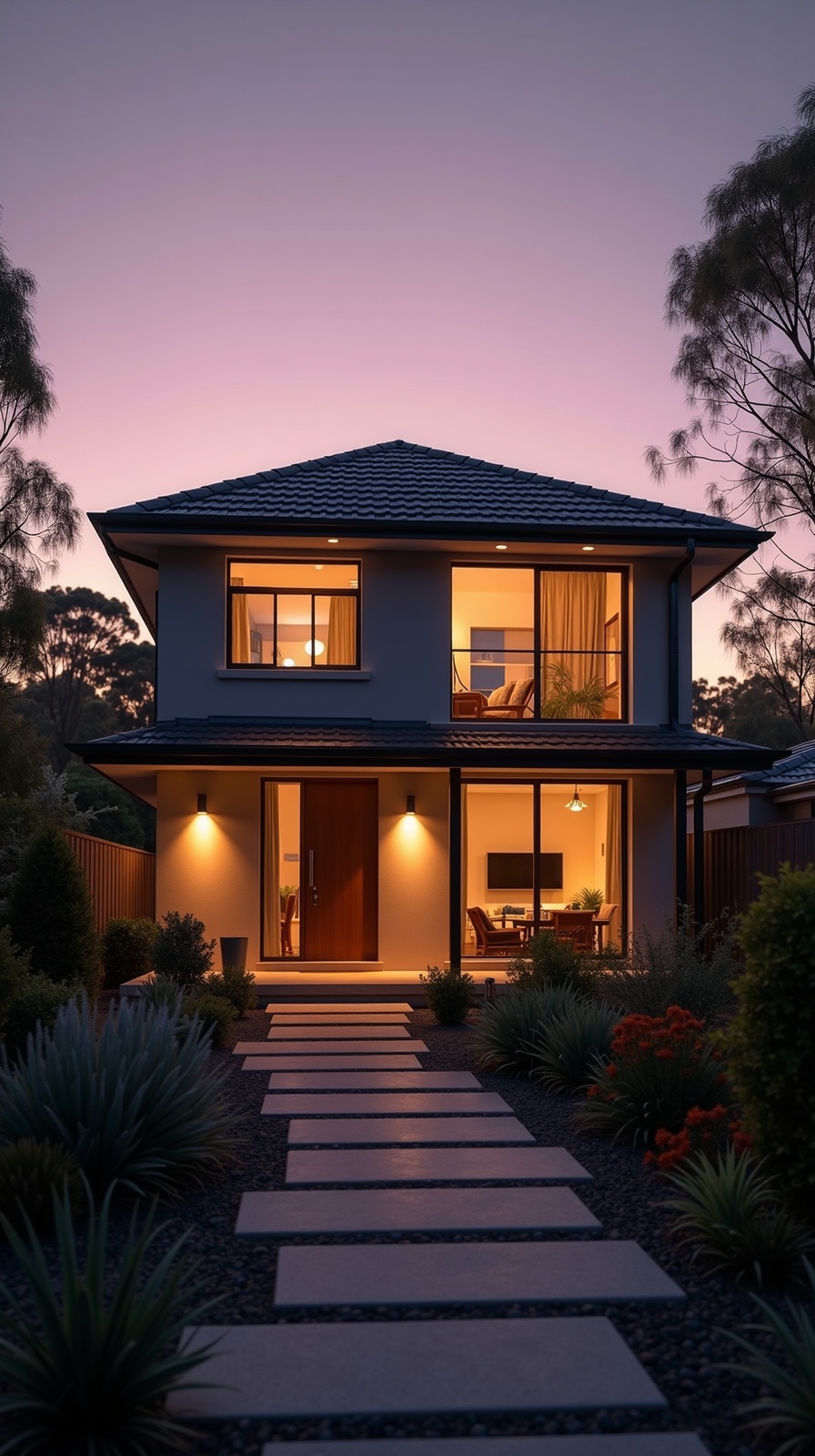

Adding Power to a Granny Flat, Studio or Shed in Woy Woy
Backyard buildings are everywhere on the peninsula, a granny flat for family, a studio to work from, or a shed that's become a workshop. Getting power to them properly is more involved than running an extension lead across the lawn, and doing it right keeps everyone safe and the building genuinely usable. Here's how powering a second structure on a Woy Woy block actually works.
Why an extension lead won't cut it
It's tempting to just run a lead from the house, but ordinary leads aren't designed for permanent or outdoor use and quickly become a shock and trip hazard, especially in damp coastal conditions. A second building needs a proper, permanently installed supply: correctly rated cable, the right protection, and a connection that meets the wiring rules. Anything less is both unsafe and non-compliant, and it simply won't support real use like heating, cooling, tools or a kitchenette.
Sub-circuits and sub-boards explained
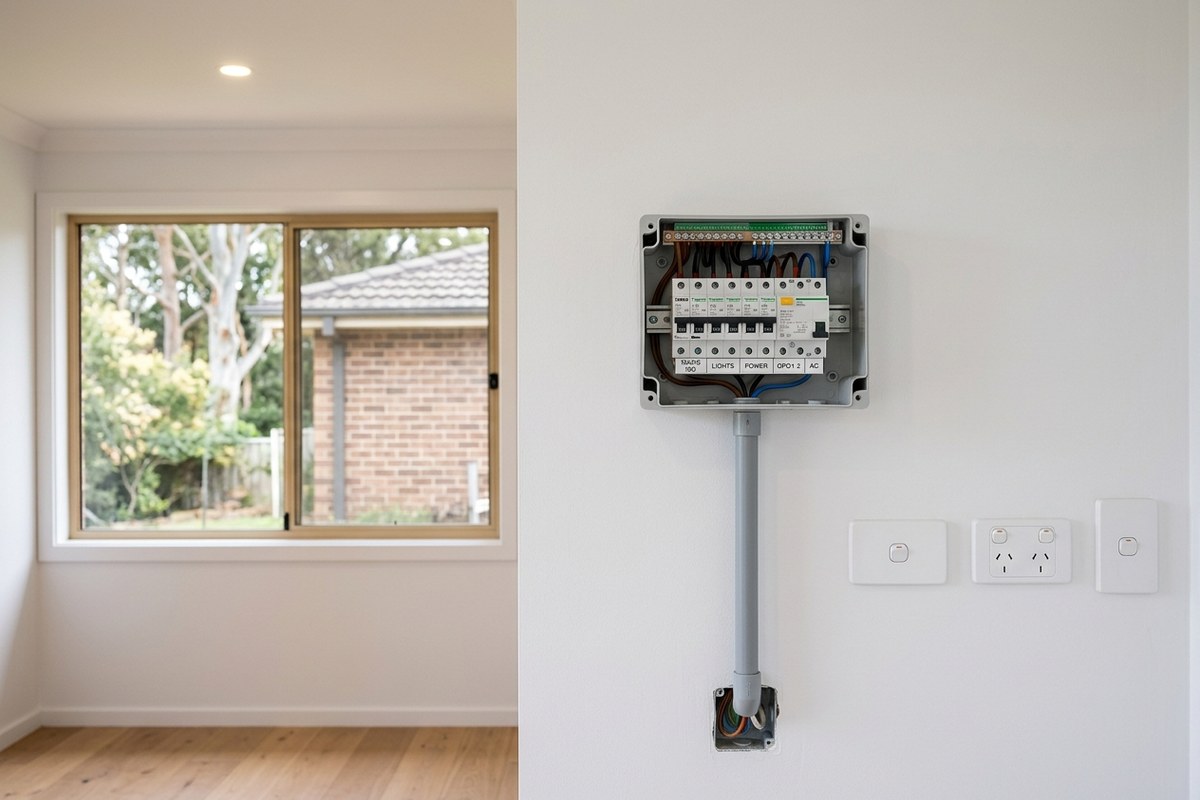
For a small load, a few lights and points in a garden studio, say, a dedicated sub-circuit run from the main switchboard may be enough. For anything larger, such as a granny flat with a kitchen, bathroom, heating and cooling, the usual approach is a sub-board (a smaller switchboard in the second building) fed from the main board. The sub-board distributes power within the building and carries its own safety switches, so the structure is properly protected in its own right. Which approach suits depends on the load, the distance, and how the building will be used.
Getting the supply there safely
Running the supply to a detached building usually means underground cabling in conduit at the correct depth, or sometimes a suitably supported overhead run. The cable has to be sized for the load and the distance so there's no excessive voltage drop, and the whole run needs proper mechanical protection and weatherproofing, doubly important near the water. An electrician plans the route, the cable size and the protection so the second building gets a reliable supply that lasts.
Granny flats have extra considerations
A habitable granny flat is more than a powered shed. It needs the same standard of electrical work as the main house: enough circuits for kitchen and laundry appliances, compliant bathroom wiring and fittings, smoke alarms, proper lighting, and safety switches throughout. There may also be approval and metering questions depending on how the flat is used and whether it's separately occupied. A licensed electrician helps navigate the practical requirements so the flat is safe, comfortable and compliant from day one.
Think about the main switchboard too
Adding a whole second building is a meaningful new load, so the existing main switchboard and supply need to handle it. This is the natural moment to check the board has capacity and, if it's an older or full board, to upgrade it at the same time rather than discovering a problem later. Planning the second building's power alongside the home's board avoids surprises and gives the whole property room to grow.
Whether it's a simple powered studio or a fully serviced granny flat, the key is planning the supply properly from the start with a licensed electrician. Get the cable, protection and board right up front and the second building is safe, capable and ready for whatever you use it for.
Lighting, outdoor power and the finishing touches
Beyond the core supply, a second building is far more useful when the smaller details are planned in. A studio or flat benefits from layered lighting rather than a single ceiling fitting, enough power points for how the space is actually used, and weatherproof outdoor points and lighting around the entry and any deck. For a workshop, dedicated circuits for heavy tools and good task lighting make all the difference. Running these while the supply is being installed is far cheaper than adding them afterwards, so it's worth thinking through how the building will be used before the cabling goes in.
Frequently Asked Questions
Can I just run a power lead to my shed?
No, ordinary extension leads aren't suitable for permanent or outdoor supply and are a real safety hazard, especially in damp coastal conditions. A detached building needs a proper installed supply with correctly rated cable and its own protection, which is a licensed job.
What's the difference between a sub-circuit and a sub-board?
A sub-circuit is a single dedicated circuit run from the main board, suitable for light loads like a small studio. A sub-board is a smaller switchboard in the second building, fed from the main board, used when the load is larger, it distributes power locally and carries its own safety switches.
Does a granny flat need anything special electrically?
Yes. A habitable flat needs the same standard as a house, enough circuits, compliant bathroom and kitchen wiring, smoke alarms, proper lighting and safety switches, plus possible approval and metering considerations depending on how it's used. An electrician can guide the requirements.
Will adding a second building overload my switchboard?
It can if the board is already near capacity, which is why it's checked as part of the job. Adding a second building is the natural time to confirm the main board has headroom, and to upgrade it at the same time if needed.
Talk to a Local Central Coast Electrician
Powering a Flat, Studio or Shed? A licensed local electrician can work out the safest, tidiest way to power your second building and handle it compliantly. Chat with our team to plan it properly.