

Home Battery Storage in Woy Woy: Is It Right for Your Home?
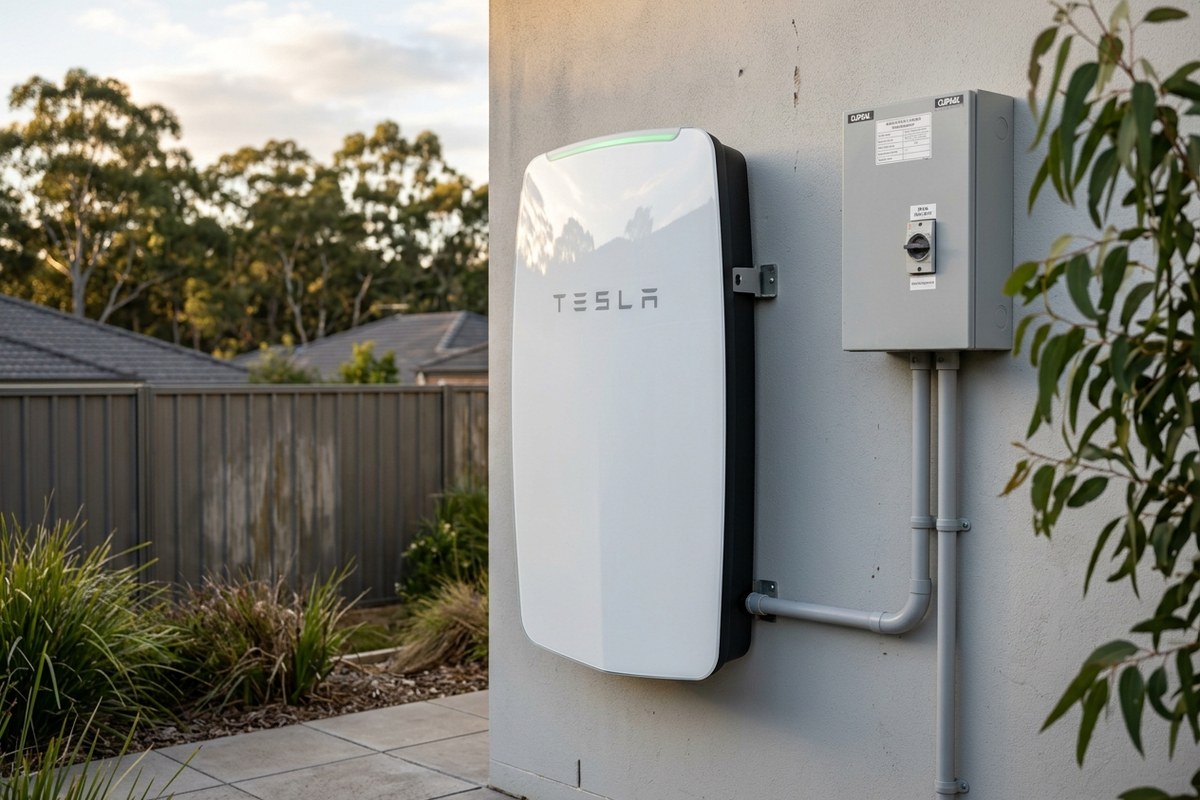
Home batteries have come a long way, and for plenty of Woy Woy households they're starting to make real sense, especially if you already have solar and watch a lot of your daytime generation flow back to the grid for a small return. A battery lets you store that excess and use it in the evening, when your household is busiest and grid power is most expensive.
The basic idea is simple. During the day, your solar powers the home and charges the battery. In the evening, the home draws from the battery instead of the grid. The result is that more of the energy you generate is used by you, rather than exported for a modest feed-in tariff. For households that are out during the day and home at night, that shift can make a noticeable difference to the bill.
Backup power is the other big drawcard. With the right setup, a battery can keep essential circuits running during an outage, lights, the fridge, internet and a few power points. It's worth being clear-eyed here: not every battery or installation provides backup, and the ones that do need to be configured for it, often with a dedicated backup circuit. If keeping the lights on during a blackout matters to you, say so up front, because it changes the design.
Sizing is where good advice matters most. A battery that's too small won't get you through the evening; one that's too large may never fully cycle, which is wasted spend. The right size depends on your evening usage, how much surplus solar you actually have, and whether you want backup. A proper assessment looks at your real consumption data rather than guesswork, so the system suits your household instead of a generic template.
Compatibility is another consideration, particularly if your solar is a few years old. Some batteries pair with your existing inverter; others need a hybrid inverter or come as an all-in-one unit. A good installer will check what you have and recommend the cleanest path, sometimes it's a simple add-on, other times it's worth upgrading the inverter at the same time to get a better long-term result.
Safety and placement deserve attention too. Batteries store significant energy and must be installed to the current standards, in a suitable location with proper clearances and ventilation, away from living and sleeping areas where required. On the peninsula, that usually means a garage, carport or a shaded external wall rather than baking in full afternoon sun. A licensed installer handles the placement, the protection, and the connection to your switchboard so the whole system is safe and compliant.
It's also smart to think about the future. If you're adding solar now, designing it to be battery-ready, the right inverter and room on the board, means you can add storage later without redoing the groundwork. And if an EV is on the horizon, that changes the maths again, because a battery and a car charger both draw on the same system.
Whether a battery is right for you really comes down to your usage, your solar, and what you want from it, bill savings, backup, or both. There's no one-size-fits-all answer, which is exactly why an honest assessment beats a sales pitch. If you're curious whether the numbers work for your home, it's worth a conversation before you commit.
Incentives are part of the picture and they do change over time, so it's worth checking what's currently available before you decide, there are periodic rebates and programs aimed at home storage, and the right setup may qualify. A good installer will know what applies at the time and factor it into the recommendation rather than relying on out-of-date figures.
It's also fair to ask how long a battery lasts. Modern home batteries are rated for many years and thousands of charge cycles, and come with warranties that reflect that, but they are still a long-term investment that earns its keep gradually through daily use. Matching the size to your real needs is what keeps the payback sensible rather than stretching it out.
For some households, the honest answer is to wait, if your solar is small, your evening usage is low, or you're about to renovate or add an EV, it can pay to hold off until the whole picture is clearer. An honest installer will tell you that rather than sell you a battery that doesn't earn its place. The right time is when your usage, your solar and your goals line up.
Above all, treat a battery as part of a system rather than a standalone gadget. It works best when your solar, inverter, switchboard and usage habits all pull in the same direction, and when it's sized to the way your household really lives. Get that balance right and a battery quietly does its job for years; get it wrong and it never quite delivers.
Frequently Asked Questions
Can a home battery run my whole house during a blackout?
Most setups back up essential circuits, such as lights, the fridge, internet and a few power points, rather than everything. Whole-home backup needs a larger system and a specific configuration, so it is worth flagging up front.
Can a battery be added to existing solar?
Often yes. Some batteries pair with an existing inverter, while others need a hybrid inverter or come as an all-in-one unit. A licensed installer checks compatibility and recommends the cleanest path.
Where should a home battery be installed?
In a suitable, ventilated location with the right clearances, away from living and sleeping areas where required. On the peninsula that usually means a garage, carport or shaded external wall, never in full afternoon sun.
Do home batteries need much maintenance?
They are largely maintenance-free. A monitoring app lets you keep an eye on performance, and periodic professional checks keep the installation safe and running well.
Talk to a Local Central Coast Electrician
Considering a Home Battery? Our licensed Woy Woy team can look at your solar, your usage and your goals, and give you a straight answer on whether a battery makes sense. Chat with our team to talk it through.