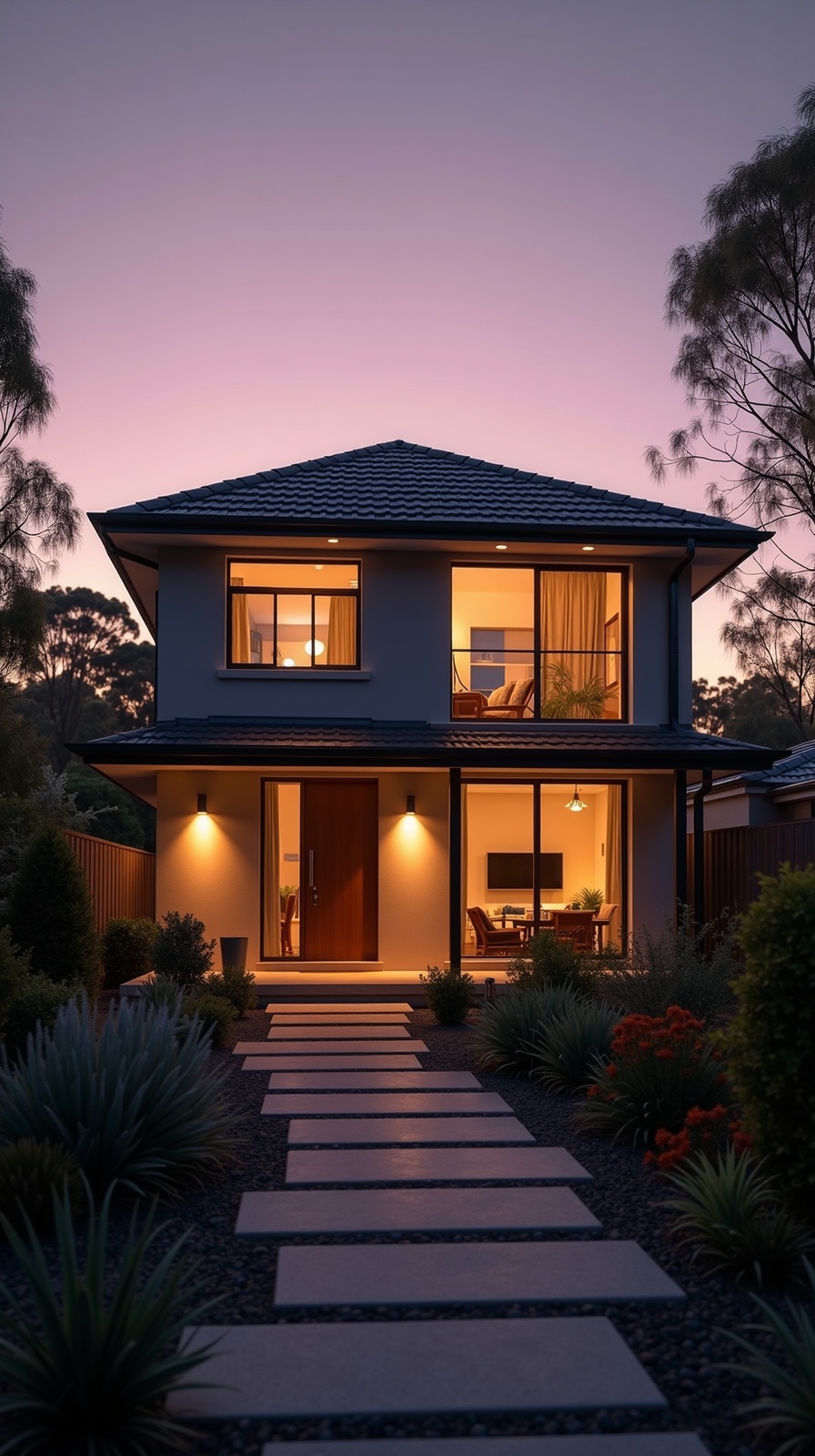

Outdoor and Alfresco Lighting and Power in Woy Woy: Getting It Right by the Water
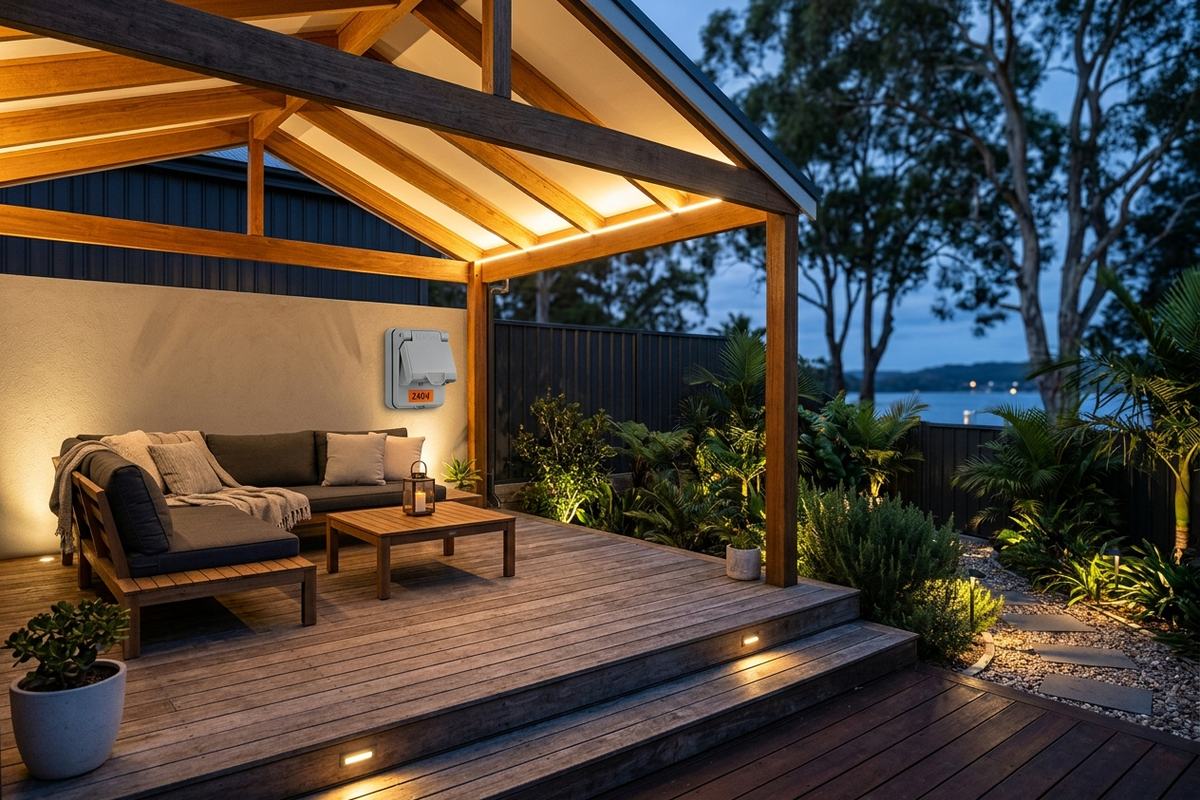
Outdoor living is a big part of life on the Central Coast, and the alfresco area, deck and garden often see as much use as the inside of the house. Good outdoor lighting and well-placed power turn those spaces into something you actually use after dark, but outdoor electrical work sits in a harsher environment than anything indoors, and on the Woy Woy peninsula the salt air adds another layer of demand.
The principles are simple enough: everything outside has to handle weather, moisture and, near the water, corrosion, while staying safe to use around people, pets and water. Getting there is about choosing the right equipment and installing it properly, not cutting corners with indoor fittings used where they don't belong.
Why outdoor work is held to a higher standard
Australian wiring rules treat outdoor and damp areas as higher-risk, and for good reason: moisture and electricity are a dangerous combination. Outdoor power points, fittings and cabling must carry an appropriate ingress-protection (IP) rating for exposure to rain and dust, and outdoor circuits need the protection of a residual current device (safety switch) to guard against electric shock. This isn't optional fine print, it's the difference between a setup that's safe in wet weather and one that isn't.
The coastal factor
Near the water, salt-laden air corrodes metal fittings, screws and enclosures far faster than it would inland. Outdoor power points, light fittings and mounting hardware on the peninsula benefit from corrosion-resistant materials and finishes, properly sealed enclosures and tidy cable entries that keep moisture out. Spending a little more on weather- and corrosion-rated gear at the start usually saves replacing rusted, failed fittings a few years down the track.
Lighting the space well
Outdoor lighting works best in layers rather than one harsh floodlight. A typical alfresco or garden scheme blends gentle ambient light for the entertaining area, brighter task lighting near the barbecue or outdoor kitchen, and accent or path lighting to highlight features and keep steps and walkways safe. Weatherproof LED fittings keep running costs and heat down, and adding sensors or timers means lights come on when needed without being left blazing all night.
Don't forget the practical extras
Sensor-activated security lighting at the sides and rear of the home adds safety and deters intruders, while a few well-placed weatherproof power points mean no extension leads trailing out through a window for the heater, fridge, pizza oven or Christmas lights. Thinking through how the space is actually used points to where power and light should go.
Power for the modern backyard
Backyards do more work than they used to. Pools and spas have strict electrical safety requirements and dedicated circuit needs, outdoor kitchens may want their own supply, and a growing number of homes are adding things like heat pumps, water features or a future outdoor charging point. Where bigger loads are involved, the existing switchboard and supply need to be checked to confirm they can handle the extra demand rather than simply assuming there's spare capacity.
Why a licensed electrician matters outdoors
Outdoor electrical work is squarely licensed territory, and the wet, exposed, salt-affected environment leaves little room for error. A licensed electrician selects fittings with the correct IP and corrosion ratings, ensures circuits are properly protected by a safety switch, routes and seals cabling to keep water out, and tests the finished installation. Around pools and spas in particular, the rules are strict and the consequences of getting it wrong are severe, so this is not a place for shortcuts.
Plan the layout before the first cable is run
A little planning on site saves a lot of compromise later. Walking the outdoor space and marking where the table, barbecue, lounge setting and walkways will go shows exactly where light and power should land, a point near the cooking zone, soft light over the seating, and path lighting where people move after dark. It's also worth thinking a season or two ahead: a spot for the heater in winter, festive lighting in summer, or a future water feature. Setting the positions before any cable is run means the finished space works the way it's actually used.
Frequently Asked Questions
Can I use indoor power points and lights outside if they're under cover?
No. Even under a roof, outdoor and exposed areas need fittings with an appropriate weatherproof (IP) rating, because wind-driven rain, humidity and moisture still reach them. Indoor fittings aren't built for it.
Do outdoor power points need a safety switch?
Yes. Outdoor circuits should be protected by a residual current device (safety switch), which cuts power quickly if there's a fault, an important protection against shock in wet conditions.
Why do my outdoor fittings rust so quickly near the water?
Salt-laden coastal air accelerates corrosion. Standard fittings can deteriorate fast on the peninsula, which is why corrosion-resistant materials, sealed enclosures and proper installation make a real difference to how long they last.
Can my existing switchboard handle a new outdoor kitchen or spa?
Not always. Larger outdoor loads can exceed what an older board and supply were designed for, so it's worth having an electrician check capacity before adding them rather than risking nuisance tripping or overload.
Talk to a Local Central Coast Electrician
Lighting up your outdoor space? From alfresco power points to garden and deck lighting, a local Woy Woy electrician can design and install outdoor electrical work that's safe, weatherproof and built for the coast.