

Smoke Alarm Laws in NSW: What Woy Woy Homeowners and Landlords Need to Know
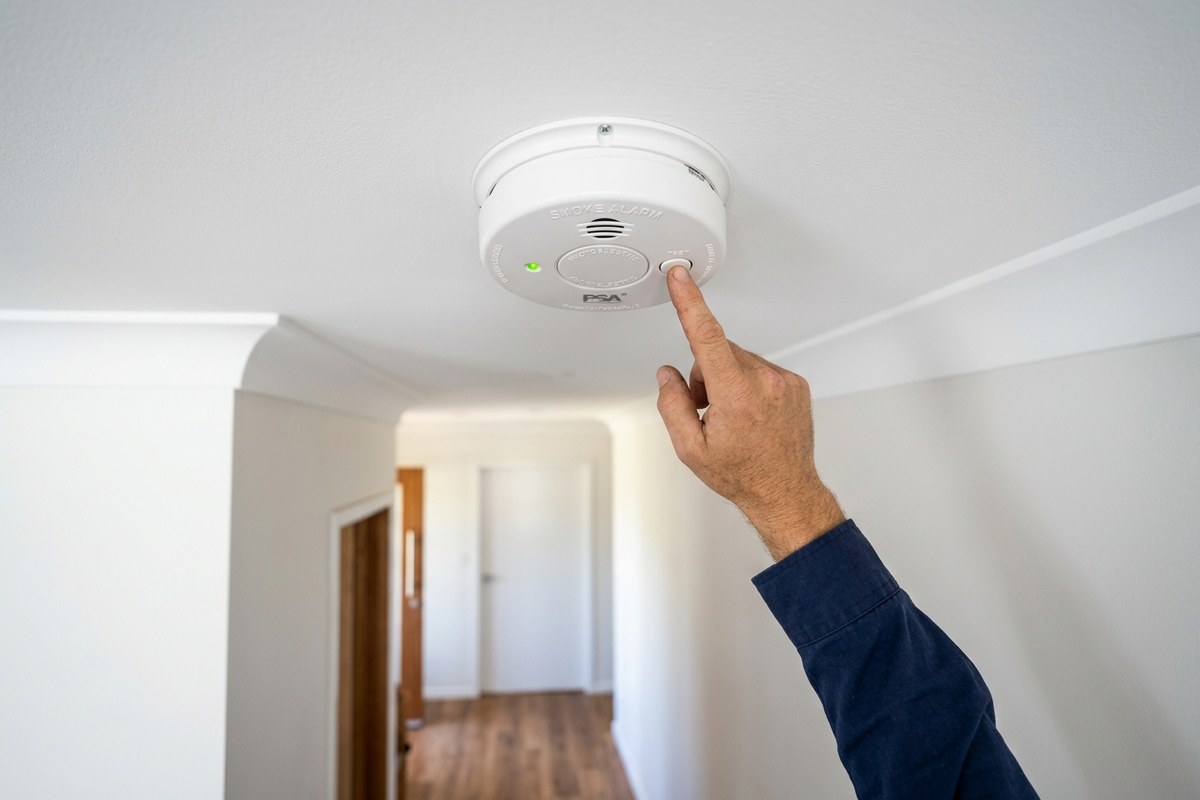
Smoke alarms are one of the cheapest and most effective pieces of safety equipment in any home, and the rules around them in New South Wales are stricter than many homeowners realise. A working alarm gives a household precious extra minutes to get out, and the difference those minutes make is the whole reason the law takes them seriously. For owners and landlords on the Woy Woy peninsula, it's worth knowing what's actually required rather than assuming the alarm screwed to the ceiling years ago still does the job.
Every home must have working smoke alarms
In NSW it is a legal requirement for all homes and residential buildings to have working smoke alarms installed. They must be on every level of the home, and they need to be maintained in working order, an alarm that has been disconnected because it chirped or nuisance-tripped is not a compliant alarm. The requirement applies to owner-occupiers and rental properties alike, though landlords carry some additional obligations.
Photoelectric alarms and where they go
Current guidance strongly favours photoelectric smoke alarms, which are particularly good at detecting the slow, smouldering fires that often start in homes, for example from wiring or furnishings, and give earlier warning of that type of fire. Placement matters as much as the type: alarms are generally required in hallways near bedrooms and on each storey, and positioning them correctly, away from spots prone to false alarms like right next to a kitchen or bathroom, is part of getting it right. An electrician familiar with the rules can advise on the correct locations for a particular floor plan.
Hard-wired versus battery alarms
Smoke alarms can be powered by a long-life battery or hard-wired into the home's electrical system with a battery backup. Hard-wired alarms are the more robust option because they don't depend on someone remembering to replace a battery, and they can be interconnected so that when one alarm detects smoke, every alarm in the house sounds, a major advantage in a larger or two-storey home where a fire might start far from the bedrooms. Hard-wiring and interconnecting alarms is licensed electrical work and a worthwhile upgrade for many homes.
What landlords need to know
Rental properties carry specific obligations under NSW residential tenancy rules. Landlords are responsible for ensuring smoke alarms are installed and working, for checking and maintaining them within set timeframes, and for repairing or replacing alarms and their batteries as required. There are limits on how long a landlord has to act once a problem is reported, and penalties for non-compliance. For investors with a property on the peninsula, having a licensed electrician handle alarm checks and any upgrades is a simple way to stay on the right side of these duties.
Testing and maintenance
Even a compliant alarm needs upkeep. Smoke alarms have a limited service life, typically around ten years, after which the sensor degrades and the unit should be replaced regardless of whether it still beeps. Between replacements, alarms should be tested regularly and kept free of dust and insects, which can cause both false alarms and failures. If an alarm is chirping, the answer is to address it properly rather than pull the battery or disconnect it, which leaves the home unprotected.
A small upgrade with a big payoff
Bringing a home's smoke alarms up to standard, the right type, in the right places, hard-wired and interconnected where practical, is a modest job that materially improves how safe the household is. For anyone buying, renovating or renting out a property in Woy Woy, it's one of the easiest safety boxes to tick, and one of the most important.
Buying or selling a home on the peninsula
Smoke alarms are easy to overlook in the rush of a property sale, but they're worth checking. Buyers taking on an older Woy Woy home shouldn't assume the existing alarms are compliant or even working, many are well past their service life or were never positioned correctly. A quick assessment by a licensed electrician at handover, with any upgrades to photoelectric, hard-wired and interconnected alarms done up front, means the new household starts out properly protected rather than discovering the gap after moving in.
Frequently Asked Questions
How many smoke alarms does my home legally need?
At a minimum, NSW requires working smoke alarms on every level of the home, with alarms near sleeping areas. The exact number depends on the layout, so it's worth having the floor plan assessed rather than guessing.
Do I need an electrician to install smoke alarms?
Battery-only alarms can be fitted by the homeowner, but hard-wired and interconnected alarms must be installed by a licensed electrician because they connect to the home's wiring.
How often should smoke alarms be replaced?
Smoke alarms generally have about a ten-year service life. After that the sensor becomes unreliable and the unit should be replaced even if it still responds to the test button.
What are my obligations as a landlord in NSW?
Landlords must ensure alarms are installed and working, check and maintain them within required timeframes, and repair or replace faulty alarms and batteries. Using a licensed electrician for checks and upgrades helps meet these duties.
Talk to a Local Central Coast Electrician
Unsure if your smoke alarms are compliant? A local Woy Woy electrician can check, upgrade and hard-wire your smoke alarms so your home meets NSW requirements and your family is properly protected.